
Fall Cleanup Gear Guide
Best Leaf Mulcher Vacuums for a Yard That Practically Cleans Itself
Raking is a workout nobody asked for. A good leaf mulcher vacuum sucks up the mess, shreds it on the way into the bag, and hands you back an afternoon. We compared corded workhorses, cordless freedom machines, gas-powered torque, and bladeless stationary mulchers to find the standouts worth owning.
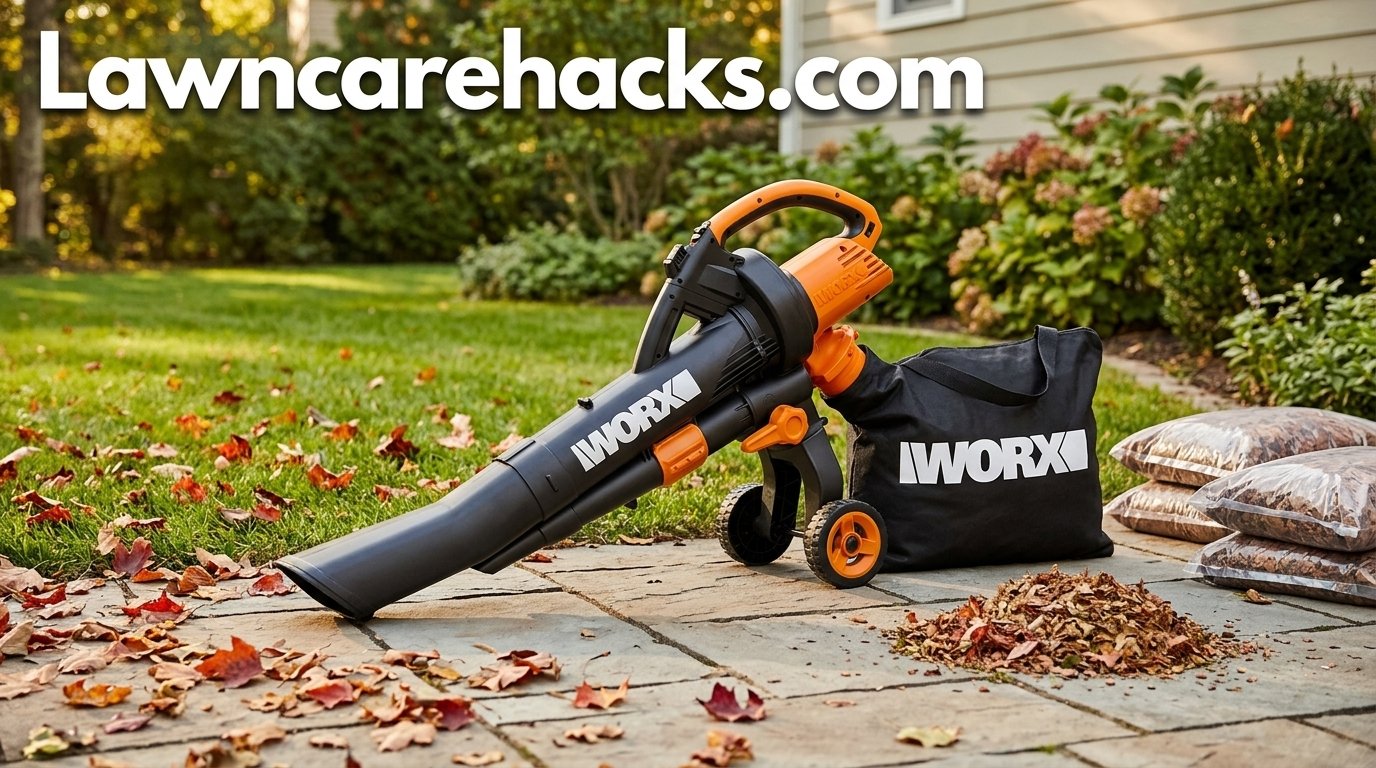
The Short Version
Stop Bagging Leaves by Hand — Shred Them Instead
Every fall, the same scene plays out in driveways everywhere: an enormous pile of leaves, a flimsy rake, and a dozen overstuffed paper bags. A leaf mulcher vacuum ends that ritual in one step. Instead of gathering leaves whole — bulky, heavy, and endless — the machine pulls them in, chops them into a fraction of their volume, and drops the shredded material into a collection bag you empty far less often.
That reduction in volume is the whole point. Leaves that would have filled ten bags end up compressed into a couple, which means fewer trips to the curb, less money spent on disposal bags, and a usable mulch byproduct you can spread around beds and trees. If you have been wondering how to get rid of leaves on a lawn without dedicating entire weekends to it, a mulcher vacuum is the fastest honest answer.
In this guide we break down the machines that combine blowing, vacuuming, and mulching in one package — plus a couple of specialty shredders for people who already own a blower and just want something to process the pile. You will find corded 3-in-1 units that never run out of power, cordless models that let you roam the whole property, gas machines for deep-leaf properties and heavy wet debris, and stationary bladeless mulchers for the pile-by-pile approach.
Our goal is simple: help you match the machine to your yard, your storage situation, and your tolerance for noise and maintenance. Every pick below has a clear “best for” identity, and the buying guide later on explains exactly which features matter — and which marketing numbers you can safely ignore.

Ready to Skip the Rake This Fall?
Browse the current selection of leaf mulcher vacuums and compare live pricing before the autumn rush.
At a Glance
Quick Comparison: Our Top Picks
Here is every machine in this guide side by side. Read down the “Best For” line to find your category, then jump to the full review block for the details. Rankings reflect how well each unit balances performance, convenience, and value for its intended job — not a single spec race.
Swipe to see more →
| # | Image | Product | Key Specs & Format | Verdict | Where to Buy |
|---|---|---|---|---|---|
| 1 |  |
Top PickWORX WG509 Trivac 3-in-1Best Overall | 3-in-1 blower/vac/mulcher · Corded electric · Tool-free mode change · Leaf collection bag | Fastest switch from blowing to vacuuming — the do-everything default for most yards. | Check Price on Amazon |
| 2 | 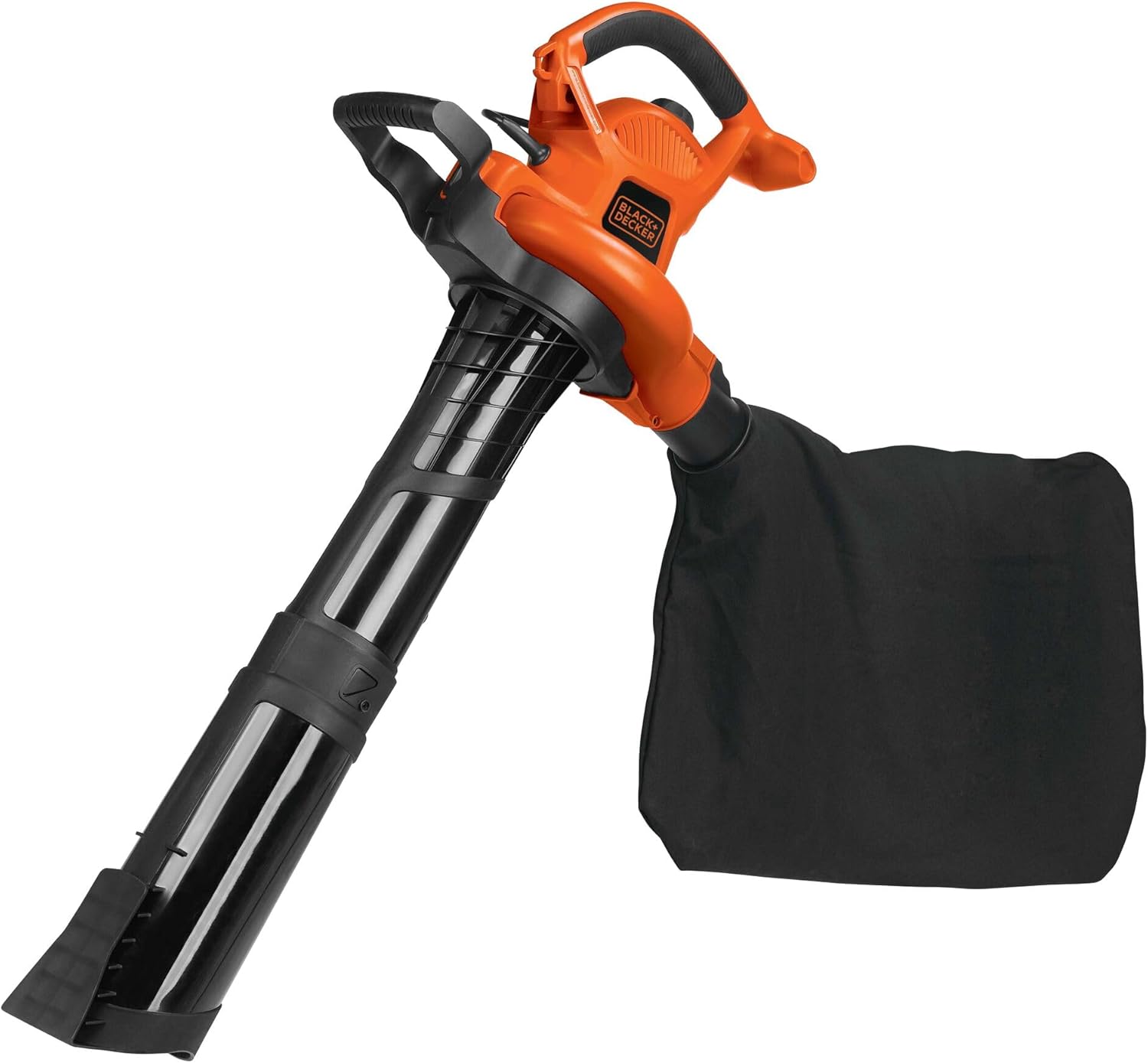 |
BLACK+DECKER BV6000 3-in-1Best for Big Leafy Yards | 3-in-1 · Corded electric · Multiple speed selection · Easy-empty leaf bag | A workhorse built for long sessions where runtime is never the limiting factor. | Check Price on Amazon |
| 3 |  |
Ryobi RY404150 CordlessBest Cordless | Cordless electric · Blower/mulcher/vacuum · Handheld · Battery platform convenience | Full 3-in-1 function with zero cord drag — ideal for larger properties with outlet challenges. | Check Price on Amazon |
| 4 |  |
Greenworks G-Max 24322Best Budget Cordless | Cordless electric · G-Max battery platform · Blower/vacuum · Handheld format | An approachable entry into battery-powered leaf duty without committing to pro-grade pricing. | Check Price on Amazon |
| 5 |  |
Makita XBU04PTV with Vacuum AttachmentBest for Battery-Platform Owners | Cordless electric · Blower with vacuum attachment · Attachment-based conversion · Handheld | Pro-grade blower first, capable vacuum second — perfect if you already run this battery system. | Check Price on Amazon |
| 6 |  |
Craftsman CMEBL7000 Corded 3-in-1Best Value Corded | 3-in-1 · Corded electric · Handheld · Leaf collection system | Straightforward, no-fuss leaf handling at a price that feels like a steal for the capability. | Check Price on Amazon |
| 7 | |
Toro 51621 UltraPlusBest for Versatility | 3-in-1 · Corded electric · Interchangeable nozzle attachments · Leaf collection bag | The attachment kit turns one machine into a precision blower and a serious vacuum. | Check Price on Amazon |
| 8 |  |
AIVOLT Cordless Leaf Vacuum MulcherBest Lightweight Cordless | Cordless electric · 3-in-1 function · Handheld · Shredding vacuum intake | Easy to carry around beds and fences where heavier units wear you out. | Check Price on Amazon |
| 9 |  |
Senix Corded 3-in-1 HandheldBest Compact Corded | 3-in-1 · Corded electric · Handheld · Leaf mulching vacuum | Small-property hero: compact storage, simple controls, and honest leaf pickup. | Check Price on Amazon |
| 10 |  |
Troy-Bilt TB27VH Gas Blower/VacuumBest Gas | Gas powered · Blower/vacuum · No cord or battery limits · Collection bag | For big properties and heavy, wet debris where electric airflow falls short. | Check Price on Amazon |
| 11 |  |
MAXLANDER 15 Amp Electric MulcherBest for Mulching Power | 15 Amp electric motor · Mulcher-focused design · Corded · Leaf reduction on intake | Built around shredding — a smart pick if volume reduction is your top priority. | Check Price on Amazon |
| 12 |  |
GreenSweep SR1 XL Bladeless MulcherBest Stationary Shredder | Bladeless mulching · Stationary design · Leaf pile processing · Yard waste reduction | No blades to sharpen, no walking around — just feed the pile and watch it shrink. | Check Price on Amazon |
| 13 |  |
Husqvarna 125BVx Gas Blower/VacuumBest Premium Gas | Gas powered · Blower/vacuum conversion · Handheld · Collection capability | The refined gas option: serious blowing strength with vacuum flexibility built in. | Check Price on Amazon |
See the Full Range in One Place
Compare live listings, availability, and bundle options for every machine in this table.
Section 01
What Exactly Is a Leaf Mulcher Vacuum?
Think of it as three yard tools sharing one body. In blower mode it pushes leaves out of beds, off hardscape, and into piles. Switch to vacuum mode and it reverses the airflow to pull debris up off the lawn. On the way in, a shredding mechanism — a spinning impeller, a blade set, or in some designs a bladeless chamber — cuts the leaves into smaller fragments before they reach the collection bag.
That last part is where the magic lives. Whole leaves are mostly air. Shred them and they collapse into a dense, fibrous mulch that takes up a fraction of the space. A yard that would have produced a small mountain of intact leaves becomes a couple of manageable bagfuls of material that is genuinely useful around shrubs, trees, and garden beds.
The three-in-one concept, explained
The phrase “3-in-1” appears on most of the machines in this guide, and it refers to blower, vacuum, and mulcher functions living in one chassis. In practice, the conversion usually works one of two ways. On many corded handheld units, you remove the blower tube and attach a vacuum tube plus collection bag, sometimes with an internal impeller doing the shredding work. On larger or more modular designs, separate tubes and nozzles handle different jobs — wide nozzles for moving big piles, narrow concentrators for blasting debris out of corners and cracks.
Then there are the machines that break the pattern entirely. Stationary bladeless mulchers like the GreenSweep SR1 XL do not vacuum at all: you rake or blow leaves into a pile, then feed the pile into the machine. They are less about lawn coverage and more about processing volume at a single point. Gas-powered units, meanwhile, prioritize raw airflow and runtime freedom, trading away the lightness of an electric handheld for the ability to work large properties without hunting for outlets.
Who actually needs one
If your property has even a handful of mature deciduous trees, leaf season is a recurring event rather than a one-off. A mulcher vacuum earns its keep for anyone who currently rakes and bags by hand, anyone with beds and hardscape that catch leaves and stay messy all winter, and anyone who wants to produce their own mulch rather than buy it in bags each spring. Small yards with a single tree may do fine with a rake and a lawn sweeper — and if you are unsure whether that route is enough, our breakdown of whether lawn sweepers work covers the trade-offs honestly.
For everyone else — multi-tree lots, properties with long fence lines, homes where leaves drift into every corner — a mulcher vacuum is one of the few yard tools that pays back its cost in afternoons saved. The sections that follow help you pick the right format first, then the right machine within it.
Start With the Right Format
Explore blower-vacuum-mulcher combos across corded, cordless, and gas platforms.
Section 02
How to Choose the Right Leaf Mulcher Vacuum
Walk into any store and the boxes all look similar: leaf photo, bold airflow numbers, a promise of effortless cleanup. The differences that actually matter day to day are more practical than promotional. Here is what to weigh before you buy.
Power source and runtime reality
Corded machines deliver consistent power for as long as you care to work, but you are tethered to an outlet and an extension cord that will absolutely find a way to tangle around a shrub. Cordless machines trade that consistency for freedom: no cord, no fuel, and instant startup, with runtime shaped by battery size and how hard the machine is working. Gas machines remove all limits on runtime and deliver the strongest airflow for heavy debris, but they add fuel mixing, pull starts, and seasonal engine maintenance to your life.
A useful shortcut: measure your farthest cleanup point from your nearest usable outlet. If it is within reach of a heavy-duty extension cord, corded is the simplest value. If it is not, cordless or gas is not a luxury — it is the only workable option.
Shredding mechanism and mulch quality
Not all mulching is equal. Some units use a metal impeller with integrated blades, others rely on a high-speed fan design, and stationary mulchers may use bladeless mechanisms that reduce leaves through turbulence and impact rather than cutting edges. What you should expect from any of them is a visible reduction in volume and an output fine enough to use as mulch. What varies is how gracefully the machine handles damp leaves, small twigs, and the occasional acorn — the debris that separates a good shredder from one that jams.
Bag design and emptying
A collection bag is not a throwaway detail. Look for wide openings that let you empty without wrestling fabric, breathable mesh that keeps airflow strong while capturing fine debris, and a shoulder strap or harness that actually distributes weight. The best bags turn inside out for cleaning and dry quickly after damp sessions; the worst ones clog at the zipper and make every empty a ten-minute chore.
Weight, balance, and ergonomics
Leaf cleanup is a repetitive job. A machine that feels fine for two minutes can feel miserable after forty. Check where the weight sits — models balanced over the handle fatigue your arm less than those front-loaded at the tube — and look for soft-grip handles, adjustable straps, and controls you can operate without changing grip. If you have shoulder or wrist issues, favor lighter cordless units or wheeled/stationary designs that do the carrying for you.
Noise, attachments, and storage
Electric machines are generally gentler on the ears than gas, which matters if you have close neighbors or early-morning habits. On attachments, interchangeable tubes and concentrator nozzles add real versatility for hardscape and tight corners. And be honest about storage: a compact handheld hangs on a wall hook, while a bigger unit with multiple tubes needs floor or shelf space through the off-season.
Which features you can safely ignore
Marketing boxes love peak numbers achieved in ideal lab conditions. In real yards, the combination of airflow, suction, shredding design, and bag capacity determines how much gets done per hour. Prioritize format fit and build quality over chasing a single headline figure, and you will end up with a machine you actually reach for.
Match the Machine to Your Yard
Filter by power source, format, and price to narrow your shortlist in minutes.
Section 03
Corded vs. Cordless vs. Gas: Which Power Source Fits Your Yard?
Before falling for any specific model, settle the format question. It determines how far you can work, how long you can work, and what kind of maintenance your machine needs between seasons.
Corded electric: unlimited runtime, limited reach
Corded machines like the WORX WG509, BLACK+DECKER BV6000, Toro 51621, Craftsman CMEBL7000, Senix, and MAXLANDER plug into standard outlets and keep pulling power for hours. You never plan around battery charge or fuel cans. The trade-off is reach: your working radius depends on a heavy-duty outdoor extension cord, and dragging that cord through leaf litter becomes its own skill. For small to mid-size yards with accessible outlets, corded is the smartest money in this entire category.
Cordless: freedom with planning required
Cordless units — the Ryobi RY404150, Greenworks G-Max 24322, Makita XBU04PTV, and AIVOLT — liberate you from the cord and from outlet placement entirely. They suit larger properties, long driveways, and anyone who moves between front yard, side yard, and back without wanting to relocate an extension cord every twenty minutes. The trade-off is planning: heavier loads and continuous high power drain batteries faster, so owning a second battery or matching a platform you already use makes the experience dramatically better.
Gas: torque and range for demanding jobs
Gas machines like the Troy-Bilt TB27VH and Husqvarna 125BVx bring serious airflow and the freedom to work anywhere, at any length of time, provided you have fuel. They are the natural choice for large properties, heavy or damp leaf cover, and users who already own gas equipment and are comfortable with engine upkeep. They are heavier, louder, and require more attention in the off-season — for a quarter-acre suburban lawn, that trade rarely makes sense.
Stationary mulchers: a different workflow entirely
Stationary bladeless units such as the GreenSweep SR1 XL change the choreography. Instead of walking the lawn, you gather leaves into a pile and feed the pile to the machine. This is efficient for heavy leaf fall where you are processing big volumes, and it pairs beautifully with raking or blowing first. If your leaves mostly land in concentrated areas under a few trees, a stationary shredder can out-perform a handheld vacuum on sheer volume processed.
Swipe to see more →
| Format | Image | Representative Pick | Why This Format | Where to Buy |
|---|---|---|---|---|
| Corded | |
WORX WG509 TrivacUnlimited runtime | Best when an outlet is within cord reach and you want zero battery planning. | Check Price |
| Corded | |
MAXLANDER 15 AmpMulch-first workflow | For users who want the shredding emphasis of a corded electric platform. | Check Price |
| Cordless | |
Ryobi RY404150Cord-free coverage | For larger properties and multi-zone cleanup without dragging a cord. | Check Price |
| Cordless | |
Greenworks G-Max 24322Budget battery entry | Approachable cordless capability for smaller yards and lighter leaf loads. | Check Price |
| Gas | |
Troy-Bilt TB27VHBig-property power | For heavy debris, long runtimes, and jobs far from any electrical outlet. | Check Price |
Still Deciding on Power Source?
Compare corded, cordless, and gas leaf machines side by side before committing.
Section 04
Best Overall Workhorses: The Do-Everything 3-in-1 Picks
If you want one machine that handles blowing, vacuuming, and mulching without drama, start here. These three earn their place through ease of conversion, dependable day-in-day-out performance, and designs that make cleanup feel shorter than it is.
Swipe to see more →
| # | Image | Product | Why It Stands Out | Where to Buy |
|---|---|---|---|---|
| 1 | |
Top PickWORX WG509 TrivacBest Overall | Fastest blower-to-vacuum switch of the group, with mulching handled automatically on intake. | Check Price |
| 2 | |
BLACK+DECKER BV6000Best for Big Yards | Marathon-ready corded platform with speed control for switching between delicate beds and open lawn. | Check Price |
| 3 | |
Toro 51621 UltraPlusBest Versatility | Attachment-rich package that adapts from wide-area blowing to concentrated vacuum work. | Check Price |
WORX WG509 Trivac 3-in-1
The WG509 is the machine we hand to people who say they want one tool that does everything and gets out of the way. Its defining trait is the speed of the transition between modes: instead of partial disassembly with several loose parts, the Trivac concept keeps the workflow short so you can blow a bed clean, switch over, and vacuum the pile in the same session without breaking momentum.
Key Features
- True 3-in-1 design covering blower, vacuum, and mulching functions in a single chassis
- Tool-free conversion between blowing and vacuuming so mode changes do not interrupt your rhythm
- Mulching happens on the intake path, so leaves are already shredded by the time they reach the bag
- Collection bag designed for leaf debris with an accessible opening for emptying
- Corded electric power for consistent output across long cleanup sessions
- Handheld format that tucks onto a wall hook or shelf when the season winds down
Pros
- Fastest blow-to-vacuum changeover in this group
- Consistent power with no runtime or fuel planning
- Mulching cuts bag volume noticeably
- Straightforward controls that are easy to learn in minutes
- Compact storage footprint for a 3-in-1 machine
Cons
- Reach depends on an outdoor extension cord
- Not the choice for huge properties far from outlets
- Bag emptying still requires stopping the work
Who it’s best for: Homeowners with small to mid-size lots, multiple trees, and a mix of beds, walkways, and lawn who want the simplest possible blow-vacuum-mulch workflow without managing batteries or fuel.
Check Price on Amazon
BLACK+DECKER BV6000 3-in-1
The BV6000 is the marathon runner of the corded world. It is built for the kind of Saturday where you start at the driveway, work the entire property, and finish at the back fence — and its speed selection lets you dial back for delicate areas and open up when you are moving bulk leaves across open lawn.
Key Features
- 3-in-1 functionality covering blowing, vacuuming, and mulching on one platform
- Variable speed selection for tuning output to the task — gentle near plantings, strong across turf
- Corded electric motor that keeps working as long as you do, with no charge interruptions
- Easy-empty style bag design intended to cut the fuss out of mid-session dumps
- Leaf mulching on intake to reduce the volume of material you haul away
- Durable handheld build suited to repeated weekend sessions through leaf season
Pros
- No runtime limits — ideal for large, leaf-heavy properties
- Speed control adds finesse around beds and mulch
- Strong value for the amount of capability on offer
- Familiar, serviceable design with widely available accessories
- Mulching meaningfully reduces bag count per session
Cons
- Cord management takes some getting used to
- Best suited to yards within reach of an outlet
- Requires the usual care around wet, matted debris
Who it’s best for: Homeowners with larger, leaf-heavy lots and accessible outlets who want uninterrupted runtime and the flexibility to switch from finesse work to bulk pickup without changing machines.
Check Price on Amazon
Toro 51621 UltraPlus Blower Vacuum
Where many 3-in-1 machines give you one tube and one way to work, the UltraPlus leans into attachments. Swap nozzles and the same body becomes a wide-coverage blower for open areas, a concentrator for stubborn debris in cracks and corners, or a vacuum setup for pulling leaves out of beds and off hardscape.
Key Features
- Interchangeable nozzle attachments that change the machine’s character per task
- 3-in-1 blower, vacuum, and mulcher capability on a corded electric platform
- Concentrator-style nozzle for dislodging debris from edges, joints, and corners
- Wide tube option for moving large leaf piles efficiently across open surfaces
- Mulching intake that reduces collected leaf volume before it reaches the bag
- Collection bag included for vacuum-mode work around beds and borders
Pros
- Attachment system genuinely expands what one machine can do
- Excels at hardscape detail work as well as bulk leaf moving
- Corded reliability for all-day sessions
- Well-established design with a clear upgrade path of accessories
Cons
- More attachments means more parts to store
- Cord tethering applies here too
- Conversion between setups takes a moment longer than single-tube designs
Who it’s best for: Detail-oriented homeowners with lots of hardscape, edging, and planting beds who want one corded machine that can shift from wide-area blowing to focused vacuum work without a second tool.
Check Price on AmazonWant the Do-It-All Machine?
Check current pricing on corded 3-in-1 blower-vacuum-mulcher combos built for all-day work.
Section 05
Best Cordless Options: Leaf Cleanup Without the Tether
Cordless leaf machines have closed the gap with corded units for most residential work, and the freedom they offer changes how you approach the chore. No cord to relocate, no outlet mapping — just pick up the machine and go wherever the leaves are.
Swipe to see more →
| # | Image | Product | Best For | Where to Buy |
|---|---|---|---|---|
| 1 | |
Top PickRyobi RY404150Best Cordless Overall | Larger properties and multi-zone cleanup | Check Price |
| 2 | |
Greenworks G-Max 24322Best Budget Cordless | Smaller yards and lighter leaf loads | Check Price |
| 3 | |
Makita XBU04PTVBest for Platform Owners | Anyone already invested in this battery system | Check Price |
Ryobi RY404150 Cordless Blower/Mulcher/Vacuum
This is the cordless machine that finally feels like a complete replacement for a corded 3-in-1 rather than a compromise. You get all three functions — blowing, vacuuming, mulching — in a handheld package that goes anywhere on the property, which makes it the natural choice for yards where outlets are scarce or awkwardly placed.
Key Features
- Full blower, vacuum, and mulcher function in a single cordless handheld design
- Battery-powered freedom to work front yard, side yards, and back without cord relocation
- Mulching intake that compresses leaves before they reach the collection bag
- Handheld balance suited to working along fences, beds, and hardscape edges
- Convenient addition to a shared battery platform if you already own compatible tools
- Instant startup with no fuel mixing, priming, or warm-up routine
Pros
- No cord and no fuel — the easiest of both worlds
- Genuine 3-in-1 versatility in a portable body
- Great for multi-zone properties and long driveways
- Quiet, low-fuss operation with minimal upkeep
Cons
- Runtime depends on battery capacity and workload
- Continuous heavy vacuuming drains batteries faster
- Battery and charger arrangements vary by listing — check what is included
Who it’s best for: Homeowners with larger or irregularly shaped lots, multiple cleanup zones, and limited outlet access who want a full-featured 3-in-1 without managing an extension cord.
Check Price on Amazon
Greenworks G-Max 24322 Cordless Blower Vacuum
The G-Max 24322 is the friendly entry point into battery-powered leaf duty. It covers the core jobs — blowing debris out of the way and vacuuming it up — in a handheld package that is easy to live with, and it slots into a battery platform that spans a whole family of yard tools.
Key Features
- Cordless blower and vacuum functionality in a lightweight handheld format
- Part of the G-Max battery platform, so batteries can be shared across compatible tools
- Straightforward controls that keep operation simple for first-time users
- Designed for typical residential leaf cleanup around lawns, walks, and beds
- No cord management and no engine maintenance to schedule
- Compact form that stores easily in a garage or shed
Pros
- Approachable price for cordless capability
- Easy to handle for quick, frequent cleanups
- Battery sharing across a broad tool platform
- Low maintenance compared with gas alternatives
Cons
- Better for lighter leaf loads than heavy seasonal drops
- Runtime planning matters on bigger properties
- Not intended for sustained commercial-level workloads
Who it’s best for: Homeowners with smaller yards, a modest number of trees, and existing G-Max batteries — or anyone who wants an easy-to-use cordless machine for frequent light cleanups.
Check Price on Amazon
Makita XBU04PTV Cordless Blower with Vacuum Attachment
The XBU04PTV takes a different route to the 3-in-1 idea: it is a serious cordless blower first, with a vacuum attachment that extends its job description. For anyone already running this battery system, it is the most efficient way to add leaf vacuuming to a toolkit you already trust.
Key Features
- Cordless blower designed with the confidence of a pro-grade handheld platform
- Vacuum attachment extends the tool into leaf collection and mulching territory
- Attachment-based conversion keeps the core machine focused and balanced
- Battery platform compatibility for users who already own batteries and chargers
- Handheld format that maneuvers well along structures, beds, and driveways
- Instant electric startup with straightforward upkeep
Pros
- Excellent blower performance as the foundation
- Vacuum kit adds real leaf-collection capability
- Cost-effective if you already own the batteries
- Build quality that suits regular, demanding use
Cons
- Attachment conversion adds a step versus dedicated 3-in-1 designs
- Best value realized within an existing battery platform
- Heavier setup when the vacuum attachment is fitted
Who it’s best for: Homeowners and property managers already invested in this cordless battery system who want blower-grade performance with the option to vacuum and mulch when leaf season arrives.
Check Price on AmazonCut the Cord for Good
Browse cordless leaf vacuum mulchers and check which battery formats fit your existing tools.
Section 06
Best Value Corded Picks: Capability Without the Premium
Corded machines are where the value conversation gets interesting. Without batteries or engines to fund, more of the price goes into the actual leaf-handling design — which means you can get genuinely capable blow-vacuum-mulch performance without spending like a landscaper.
Swipe to see more →
| # | Image | Product | Best For | Where to Buy |
|---|---|---|---|---|
| 1 | |
Top PickCraftsman CMEBL7000Best Value Corded | Straightforward 3-in-1 work on a budget | Check Price |
| 2 | |
Senix Corded 3-in-1Best Compact | Small properties and tight storage | Check Price |
| 3 | |
MAXLANDER 15 AmpBest for Mulching | Volume reduction as the top priority | Check Price |
Craftsman CMEBL7000 Corded 3-in-1
Some machines win on clever engineering; the CMEBL7000 wins on honest, unpretentious capability. It does the three jobs you need — blowing, vacuuming, mulching — without charging you for extras you will not use, which makes it an easy recommendation for anyone outfitting a garage from scratch.
Key Features
- Complete 3-in-1 functionality on a corded electric platform
- Handheld format that is easy to maneuver along walks, beds, and fences
- Leaf collection system that gathers debris as you vacuum for tidy results
- Mulching action that shrinks collected leaves to reduce bag changes
- Simple, familiar controls with a short learning curve
- Practical design that prioritizes the jobs you actually do each fall
Pros
- Strong capability-to-cost ratio
- Corded power for uninterrupted sessions
- Easy for beginners to operate confidently
- Covers all three core leaf jobs in one tool
Cons
- Extension cord required for every session
- Fewer frills than premium attachment-heavy models
- Best matched to small and mid-size properties
Who it’s best for: Budget-minded homeowners setting up their first leaf-cleanup toolkit, or anyone who wants a capable corded 3-in-1 as a dependable second machine for quick jobs.
Check Price on Amazon
Senix Corded 3-in-1 Handheld Leaf Mulcher
Not everyone needs a machine with the presence of a small spacecraft in the garage. The Senix handheld keeps things compact and manageable while still delivering the full blow-vacuum-mulch trio, which makes it a favorite for smaller properties, townhomes, and anyone short on storage.
Key Features
- 3-in-1 blower, vacuum, and mulcher capability in a compact handheld body
- Corded electric power that keeps output steady through the whole job
- Space-conscious design that stores easily on a hook or shelf
- Leaf mulching on intake to reduce the bulk of what you collect
- Light, approachable handling for quick maintenance cleanups
- Straightforward assembly and mode changes without a complicated parts list
Pros
- Small footprint for storage and handling
- Full 3-in-1 job coverage at an approachable level
- Great for quick, frequent cleanups
- Simple enough for any household member to use
Cons
- Not aimed at large properties or heavy seasonal volume
- Cord management still applies
- Fewer attachments than premium modular systems
Who it’s best for: Owners of smaller properties, townhomes, and condos who need a compact, easy-to-store leaf machine for regular light-to-moderate cleanup duty.
Check Price on Amazon
MAXLANDER 15 Amp Electric Mulcher
Most leaf machines treat mulching as a bonus feature. The MAXLANDER puts shredding front and center, with its 15 Amp electric design aimed at users whose main frustration is volume — too many bags, too much hauling, too much wasted space in the green bin.
Key Features
- 15 Amp electric motor sized for mulching-focused leaf work
- Shredding action on intake that reduces leaves before collection
- Corded design for consistent power during longer processing sessions
- Leaf reduction that turns bulky debris into denser, easier-to-handle material
- Straightforward electric operation with no fuel or battery management
- Aimed squarely at users who measure success in fewer bags
Pros
- Shredding emphasis makes a visible dent in leaf volume
- Dependable corded runtime for big sessions
- Useful mulch byproduct for beds and borders
- Simple ownership with minimal maintenance
Cons
- Corded format limits working radius
- Mulch-first focus means fewer blower attachments
- Wet, matted leaves still benefit from a preliminary blow-through
Who it’s best for: Homeowners drowning in leaf volume who care most about shrinking what they haul away, and who want a corded electric machine that treats mulching as the headline act.
Check Price on AmazonMaximum Capability, Sensible Spend
Find corded leaf mulcher vacuums that deliver the core jobs without the premium price tag.
Section 07
Best Gas-Powered Torque for Heavy Debris and Big Properties
When the leaves are measured in truckloads rather than bags, and some of them are damp, matted, and fused to the grass, electric handhelds start to ask for patience. Gas machines do not do patience — they bring sustained airflow and the freedom to work the whole property without a single thought about outlets or charge levels.
Swipe to see more →
| # | Image | Product | Role in the Lineup | Where to Buy |
|---|---|---|---|---|
| 1 | |
Top PickTroy-Bilt TB27VHBest Gas Overall | Big properties and heavy, wet debris | Check Price |
| 2 | |
Husqvarna 125BVxBest Premium Gas | Refined handling with serious blowing strength | Check Price |
| 3 | |
BLACK+DECKER BV6000Corded Alternative | Similar work capacity without fuel or engine upkeep | Check Price |
Troy-Bilt TB27VH Gas Blower/Vacuum
The TB27VH is built for properties where “leaf cleanup” is a two-afternoon event. As a gas machine, it brings the sustained power that handles heavy and damp debris without bogging, and it converts between blower and vacuum duties so you can both herd the leaves and collect them with the same tool.
Key Features
- Gas-powered operation with no cord or battery limits on where and how long you work
- Blower and vacuum capability for both clearing and collecting leaf debris
- Collection bag for vacuum-mode work that gathers debris as you move
- Serious airflow suited to heavy leaf cover and stubborn, matted material
- Handheld format with the range to cover large properties in one outing
- Established outdoor-power design familiar to gas-equipment owners
Pros
- Runtime limited only by your fuel supply
- Strong airflow for heavy and damp debris
- Works anywhere on the property, outlets or not
- Blower and vacuum in one gas platform
Cons
- Heavier than electric handhelds
- Requires fuel handling and engine maintenance
- Louder operation, which matters in close neighborhoods
Who it’s best for: Owners of large or heavily wooded properties, users far from outlets, and anyone regularly tackling damp or dense leaf cover who is comfortable with basic engine upkeep.
Check Price on Amazon
Husqvarna 125BVx Gas Blower/Vacuum
Husqvarna has spent decades building outdoor power equipment, and the 125BVx reflects that heritage. It is a gas blower with vacuum capability built in, aimed at users who want strong blowing performance for the driveway and roofline alongside the option to vacuum and collect leaves where they gather deepest.
Key Features
- Gas-powered handheld with the airflow to handle demanding blowing jobs
- Vacuum conversion capability for leaf collection and volume reduction
- Handheld balance designed for extended sessions across varied terrain
- No dependence on outlets or battery charge for run planning
- Collection capability that supports clean results in beds and along fences
- Build and finish consistent with a premium outdoor-power platform
Pros
- Serious blowing strength for hard surfaces and open areas
- Vacuum flexibility for full-property cleanup
- Unlimited runtime with fuel on hand
- Refined handling for a gas machine
Cons
- Gas maintenance and fuel storage required
- Higher entry cost than electric handhelds
- Heavier to carry than battery alternatives
Who it’s best for: Experienced users with larger properties who want gas-grade power, appreciate refined build quality, and need both blower and vacuum functions from a single handheld machine.
Check Price on AmazonNeed Gas-Grade Power?
Compare gas blower vacuum combos for large properties and heavy leaf seasons.
Section 08
Specialty & Lightweight Picks: When the Standard Format Does Not Fit
Two very different problems show up in real yards: “this machine is too heavy for me to carry around all afternoon,” and “I do not need to vacuum at all — I just need to make this mountain of leaves smaller.” The next two picks solve those problems directly.
Swipe to see more →
| # | Image | Product | Format | Where to Buy |
|---|---|---|---|---|
| 1 | |
Top PickAIVOLT CordlessBest Lightweight Cordless | Handheld cordless 3-in-1 | Check Price |
| 2 | |
GreenSweep SR1 XLBest Stationary Shredder | Bladeless stationary mulcher | Check Price |
| 3 | |
Senix Corded 3-in-1Best Compact Corded | Compact corded handheld | Check Price |
AIVOLT Cordless Leaf Vacuum Blower Mulcher
The AIVOLT is designed around carryability. Leaf cleanup involves a lot of lifting, reaching, and working along edges — exactly the situations where a heavy machine punishes your arm and shoulder. This cordless 3-in-1 keeps the weight down while still covering blowing, vacuuming, and mulching.
Key Features
- Cordless 3-in-1 function covering blowing, vacuuming, and mulching
- Lightweight handheld design intended for comfortable extended carry
- Shredding vacuum intake that reduces leaves as they are collected
- Maneuverable around beds, fences, planters, and hardscape edges
- No cord to manage and no engine maintenance to schedule
- Quick startup that makes short, frequent cleanups realistic
Pros
- Easy to carry and control for longer sessions
- Full 3-in-1 versatility in a portable package
- Well suited to detail work in tight, planted areas
- Low-fuss ownership with electric simplicity
Cons
- Lightweight design is aimed at residential, not commercial, workloads
- Runtime depends on battery size and debris load
- Not the pick for processing enormous leaf piles in one go
Who it’s best for: Anyone who finds heavier machines tiring — smaller-framed users, older homeowners, or anyone with a long list of edges and beds — who still wants full blow-vacuum-mulch capability.
Check Price on Amazon
GreenSweep SR1 XL Bladeless Leaf Mulcher
The SR1 XL breaks the handheld mold completely. It is a stationary, bladeless mulcher: you bring the leaves to it, feed them in, and watch the pile collapse into dense shredded material. For households that already blow or rake leaves into piles, this is often the fastest way to process volume — and the bladeless design sidesteps the sharpening and blade-replacement questions entirely.
Key Features
- Bladeless mulching mechanism that reduces leaves without cutting blades to maintain
- Stationary design that processes leaf piles at a single, convenient point
- Focus on volume reduction for easier bagging, composting, or mulching
- Simple feed-the-pile workflow that suits heavy leaf fall
- Useful pairing with an existing blower or rake for gathering
- A practical answer for anyone whose main pain point is leaf bulk
Pros
- No blades to sharpen or replace
- Excellent at processing large gathered piles quickly
- Hands-free location — no carrying around the yard
- Produce usable shredded mulch from what was yard waste
Cons
- Does not vacuum — leaves must be gathered first
- Needs a dedicated spot to set up and work
- Two-step workflow versus a walk-behind vacuum approach
Who it’s best for: Homeowners with heavy leaf fall who already gather leaves into piles and want a fast, bladeless way to shrink them for disposal, composting, or use as mulch.
Check Price on AmazonExplore Specialty Leaf Shredders
From lightweight cordless units to stationary bladeless mulchers, there is a format for every workflow.
Section 09
Mulch, Bag Capacity, and What Happens to Those Leaves
The most satisfying moment in leaf cleanup is watching a pile that would have filled a truck bed disappear into a single bag of shredded material. Understanding how mulching works — and what to do with the output — turns a chore into something closer to a resource pipeline for your garden.
Why shredded leaves are easier to live with
Whole leaves mat together, trap moisture, and take up enormous space in bags and bins. Shredded leaves behave differently: they settle into a dense layer, decompose faster, and stay put when you spread them. That means fewer bags out to the curb, less hauling, and a product you can actually use instead of pay to remove. Machines like the MAXLANDER and GreenSweep SR1 XL are built specifically to maximize this reduction, while 3-in-1 units deliver it automatically as part of vacuuming.
Bag capacity versus shred quality
It is tempting to shop for the biggest bag on the shelf, but bag size only matters relative to how finely the machine shreds. A machine that reduces leaves dramatically makes a standard bag go much further — and it is easier to carry, because shredded material packs dense instead of fluffy. If you dread bag emptying, prioritize machines with wide, easy-open bags and expect to empty less often than you would with a plain vacuum.
What to do with the mulch
Shredded leaves are one of the best free soil amendments available. Spread them around trees and shrubs as a protective winter layer, work them into garden beds to improve structure, or add them to a compost pile where their reduced particle size speeds decomposition. A thin layer on the lawn is also an option where coverage stays light — and it feeds the soil as it breaks down, which pairs naturally with a smart fertilization schedule like the one in our guide on when to fertilize your lawn.
When mulching alone is not enough
Leaves that have sat wet against the grass for weeks can smother turf and encourage disease. If your lawn is already thinning under a heavy blanket, get the bulk off first with a mulcher vacuum, then support recovery with the seasonal steps we cover in our fall lawn fertilizer guide. And if thatch has built up from years of leaf debris, a pass with the techniques in our how to dethatch a lawn walkthrough restores airflow before you feed the grass.
Turn Leaves Into Free Mulch
Find mulcher vacuums and shredders designed to cut leaf volume dramatically.
Section 10
Operating Tips and Safety for Leaf Mulcher Vacuums
These machines are straightforward, but they combine high-speed airflow with spinning shredding components — and they are often used around rocks, sticks, and hidden garden hardware. A few habits keep the work safe, efficient, and easy on the equipment.
Clear the ground before you vacuum
Walk the area first and pick up rocks, thick sticks, wire, landscape staples, and stray toys. The intake on most handheld mulcher vacuums is sized for leaves and light debris; hard objects can damage the impeller or shred mechanism and turn a productive afternoon into a repair project. This single habit prevents most avoidable problems.
Work with the wind, not against it
When blowing, position yourself so the wind assists rather than fights you. Blowing with a natural breeze moves debris in one decisive pass; blowing against it means reworking the same pile three times. In vacuum mode, work in slow, overlapping passes and let the machine do the pulling — forcing the tube down into matted leaves tends to clog rather than collect.
Personal protective basics
Eye protection is non-negotiable: vacuum intakes can kick up grit and small debris faster than you can react. Hearing protection matters for gas machines and longer sessions. Gloves prevent blisters during bag handling and protect your hands from thorns and sticks hidden under leaves, and sturdy shoes protect your feet when you are focused on the ground in front of you. Avoid loose clothing and scarves near the intake, and always keep hands, hair, and the collection bag opening clear of the tube while the machine runs.
Managing damp leaves and clogs
Wet leaves are the universal stress test. If you must work in damp conditions, take shallower passes and empty the bag more frequently, since wet material packs tight and restricts airflow. If suction drops, power down and disconnect the power source before clearing any blockage — never reach into an intake while the machine is plugged in or powered on.
Cord safety for electric machines
With corded units like the WORX WG509, BLACK+DECKER BV6000, Toro 51621, Craftsman CMEBL7000, Senix, or MAXLANDER, use a properly rated outdoor extension cord and keep the connection point off the ground and away from moisture. Plan your route so the cord trails behind you rather than crossing your path, and inspect the cord before each session for cuts or damage.
Fuel and engine safety for gas machines
Gas models such as the Troy-Bilt TB27VH and Husqvarna 125BVx add fuel handling to the routine. Mix and store fuel according to the manufacturer’s directions, fill the tank only when the engine is cool, and never smoke while refueling. Let the machine cool before storing it indoors, and keep a fire extinguisher accessible in the garage or shed where fuel is stored.
Neighbors, noise, and timing
Leaf machines are not whisper-quiet, and gas units are louder still. Work at reasonable hours, keep sessions purposeful, and consider an electric machine if your homes sit close together. It is a small courtesy that prevents a season of friction — and electric models handle typical residential cleanup with plenty of capability.
Gear Up for Safe, Efficient Cleanup
Shop leaf vacuums along with the accessories that make sessions smoother and safer.
Section 11
Maintenance, Storage, and Off-Season Care
Leaf machines get abused by design — they pull in dust, grit, and moisture for weeks on end, then sit idle for months. A short maintenance routine is the difference between a machine that lasts many seasons and one that will not start when the leaves return.
After every session
Empty the collection bag completely and leave it open to dry — storing damp leaf material invites mildew and odors. Wipe down the tube and intake, clear any debris caught around the impeller or shredding area, and check the air path for buildup that quietly reduces performance. For corded machines, inspect the cord; for battery machines, let batteries cool before charging and store them at a partial charge if they will sit for weeks.
End-of-season storage for electric machines
Give the whole machine a thorough cleaning, then store it in a dry, indoor space where temperatures stay moderate. Hanging the unit keeps tubes from warping and saves floor space. Batteries are the weak link in long storage: keep them somewhere climate-controlled rather than on a cold garage shelf, and check them periodically through the off-season.
Off-season care for gas machines
Gas engines need attention before hibernation. Run the carburetor dry or add a fuel stabilizer per the manual, change the spark plug if it is due, clean or replace the air filter, and wipe down the whole machine before storage. If you already own gas lawn equipment, this routine will feel familiar — it is essentially the same process we walk through in our guide on how to winterize a lawn mower, adapted for a blower-vacuum engine.
Bag and tube care
Collection bags are consumable in spirit if not in name. Wash them occasionally with a hose, dry fully, and store unzipped. Cracked zippers and torn mesh sap airflow and make emptying miserable, so repair or replace a bag at the first sign of wear rather than fighting it all season. Tubes should be stored straight and out of direct sunlight, which makes plastic brittle over time.
Sharpening and shredding components
On machines with cutting components, dull edges mean leaves come through whole and the bag fills faster than it should. Inspect the shredding mechanism at the start of each season and follow the manufacturer’s guidance on servicing it. The broader principle — sharp cutting edges make every yard machine work better — applies to your mower too; our walkthrough on how to sharpen a lawn mower blade covers the same logic. Stationary bladeless designs like the GreenSweep SR1 XL sidestep this entirely, which is a real part of their appeal.
Plan the whole yard’s off-season
Leaf cleanup is only one part of putting the yard to bed. Once the leaves are handled, the rest of the checklist — final mowing, feeding, and protection — comes into play. Our complete guide to how to winterize a lawn sequences those steps so nothing gets missed.
Keep Your Gear Running Strong
Find replacement bags, tubes, and maintenance parts for your leaf mulcher vacuum.
Section 12
Your Complete Fall Cleanup Routine (Beyond the Leaf Machine)
A leaf mulcher vacuum is the centerpiece of fall cleanup, but the yards that look best in spring are the ones where leaf removal is step one of a sequence rather than the whole plan. Here is how the pieces fit together.
Step one: clear the canopy load
Start by moving the bulk of leaves off the lawn while they are still light and dry. Blow them into manageable piles, vacuum and shred as you go, and keep the grass visible. A lawn that can photosynthesize going into dormancy stores more energy for spring — which is also why our guide on when to stop mowing the lawn matters at this stage; leaf cover and mowing height work together to determine how the grass enters winter.
Step two: deal with what the vacuum cannot reach
Even the best handheld leaves some debris behind — thin layers along fences, material pressed into corners, and the fine stuff that settles into the turf. This is where a lawn sweeper earns its keep as a finishing tool. If you are deciding between approaches, our comparison of the best lawn sweepers shows where each one fits.
Step three: relieve compaction and feed the soil
With the lawn clear, fall is ideal for aeration — root systems are active near the surface and the openings you create get used immediately. Our guide to how to aerate a lawn covers timing and technique, and our roundup of the best lawn aerators helps you pick the tool. Aerating before feeding also gets fertilizer down where roots can use it.
Step four: overseed and repair
Thinned areas from summer stress are best repaired while soil is still warm and weed pressure is dropping. Our walkthrough on how to overseed a lawn in fall lays out the process, and choosing from the best lawn seed for overseeding makes a visible difference in fill rate. Pair that with the shredded-leaf mulch your machine produces and you have a free, effective topdressing for the thinnest patches.
Step five: sequence the feed
Finally, feed on a schedule that supports recovery and root growth rather than pushing soft top growth before winter. Timing here is everything; our guide on when to fertilize your lawn walks through the seasonal logic so your effort compounds instead of conflicting.
Build Your Fall Cleanup Kit
Start with a leaf mulcher vacuum, then round out the toolkit for a complete seasonal routine.
Your Questions, Answered
Frequently Asked Questions
These are the questions homeowners ask most often before buying a leaf mulcher vacuum — and the honest answers that should shape your decision.
What is the difference between a leaf vacuum and a leaf mulcher vacuum?
A standard leaf vacuum collects debris as-is, which means whole leaves fill the bag quickly and take up a lot of space. A leaf mulcher vacuum adds a shredding step on the intake path, so leaves are cut into smaller fragments before they are collected. The result is a much smaller volume of material to haul away, and an output that is far more useful as mulch or compost.
Are 3-in-1 blower vacuum mulchers worth it compared with separate tools?
For most homeowners, yes. A 3-in-1 machine like the WORX WG509 or BLACK+DECKER BV6000 covers the two modes you alternate between constantly during cleanup — blowing debris into piles and vacuuming it up — plus the mulching that reduces what you haul. Separate tools can offer more specialization, but they cost more, take more storage space, and make you switch equipment mid-job.
Should I choose corded, cordless, or gas?
Match the power source to your property. Corded machines are the best value for small to mid-size yards within reach of an outlet. Cordless models suit larger or multi-zone properties where dragging a cord is impractical, especially if you already own compatible batteries. Gas machines make sense for large, heavily wooded properties and heavy or damp debris where sustained power matters more than weight and noise.
Can a leaf mulcher vacuum handle wet leaves?
Most can handle damp leaves with some patience — take shallower passes, empty the bag more often, and avoid forcing the tube into matted clumps. Heavy, soaking-wet leaf mats are hard on every machine in this category, including gas models. When leaves are saturated, blow them into windrows first and give them a chance to dry before vacuuming.
What should I do with shredded leaves after vacuuming?
Shredded leaves are genuinely useful material. Spread them as mulch around trees, shrubs, and beds; mix them into compost, where the reduced particle size speeds decomposition; or apply a thin layer to thin lawn areas as a natural topdressing. It is one of the rare cases where yard waste turns into a resource instead of a disposal problem.
How long does a battery last on a cordless leaf vacuum?
It depends on the battery, the debris load, and how hard the machine is working — continuous vacuuming of damp leaves draws far more power than light blowing. Rather than fixating on a runtime figure, plan your sessions so the heaviest work happens first and keep a second battery charged for larger properties. Battery care also affects longevity; store batteries in moderate temperatures and follow the manufacturer’s charging guidance.
Do I still need a rake if I own a leaf mulcher vacuum?
Yes, but far less often. A rake or blower is still useful for gathering leaves into piles for a stationary shredder like the GreenSweep SR1 XL, and for dislodging matted leaves a vacuum cannot grab cleanly. For most people, the vacuum does ninety percent of the work and the rake becomes a finishing tool.
Are bladeless mulchers better than blade-based ones?
Neither is universally better — they solve different problems. Bladeless designs like the GreenSweep SR1 XL avoid blade sharpening and replacement altogether and handle pile processing well. Blade or impeller-based systems built into handheld vacuums offer the convenience of shredding while you collect. If you want one tool that walks the lawn with you, choose a mulcher vacuum; if you process large gathered piles, a stationary shredder is often faster.
How do I know when to do my final fall cleanup?
Most trees drop the bulk of their leaves over several weeks, so plan for at least two passes — one mid-fall to keep the lawn clear, and a final pass after the last significant drop. Leaf cover left on grass going into winter is the most common cause of thin spring turf, so timing the final cleanup matters. Our guide on when to overseed a lawn helps you line up the cleanup with the rest of your fall schedule.
Can I use a leaf mulcher vacuum on gravel or mulch beds?
Use caution. Vacuuming over loose gravel, wood chips, or small stones risks pulling hard debris into the shredding mechanism where it can cause damage. Blow those areas instead, then vacuum leaves from solid surfaces like turf, decks, patios, and driveways. A quick walk-through to remove rocks and sticks before vacuuming prevents most problems.
How much storage space does a leaf mulcher vacuum need?
Less than you might think. Handheld corded and cordless units typically hang on a wall hook with the bag tucked alongside. Machines with multiple tube attachments need a shelf or corner for the extra parts, and stationary shredders want a dedicated floor spot. If garage space is tight, favor compact handheld designs like the Senix or AIVOLT over larger multi-attachment systems.
Still Have Questions Before Buying?
Browse listings and compare formats, included accessories, and bundle options side by side.
Final Verdict
Which Leaf Mulcher Vacuum Should You Buy?
There is no single “best” machine — there is a best machine for your yard, your strength, and your cleanup style. But if you want the shortest path to a decision, here is how we would choose.
For most homeowners, the WORX WG509 Trivac is the default answer: full 3-in-1 capability, the fastest conversion between blowing and vacuuming, and mulching built into the workflow. If your property is large and leaf-heavy and you want uninterrupted runtime, the BLACK+DECKER BV6000 is the workhorse to beat. Cordless buyers should look hard at the Ryobi RY404150 for complete 3-in-1 freedom, or the Greenworks G-Max 24322 for an approachable first step into battery power. Attachment lovers will appreciate the Toro 51621 UltraPlus, value hunters the Craftsman CMEBL7000, and anyone drowning in leaf volume the mulch-first MAXLANDER or the bladeless GreenSweep SR1 XL. For big, wet, far-flung properties, the Troy-Bilt TB27VH and Husqvarna 125BVx bring the gas-grade muscle.
Whichever you choose, the payoff is the same: fewer hours raking, fewer bags at the curb, and a free source of mulch for the beds that will thank you next spring. Pick the format that matches your yard, and the machine will do the rest.
Find Your Leaf Mulcher Vacuum on Amazon